Help MIT Walk the Talk On Energy and the Environment!
Did you know there are many actions you can take around campus that can reduce your energy footprint and help MIT save energy? Next time you have a choice, it can make a difference:
- Flip the switch – turn off lights when not in use
- Resolve to Revolve – use revolving doors
- Power IT down – use your computer’s power management features: sleep, hibernate & off
- Shut Your Sash – close your fume hood sash when not in use
- Print Smarter – set your printer to print double-sided; print on recycled paper; print only what you need
Learn more about the actions you can take and how these small choices – and many more – can make a real impact on our greenhouse gas emissions. Check out these tips, tools, and tactics to help you get started.
Your personal engagement - together with MIT’s new investments in energy conservation and sustainable design - can help lead the way in developing the sustainable energy strategies needed to address our global climate challenge. Watch for the new “greeningMIT” logo around campus that reflects some of these more sustainable changes.
What is greeningMIT?
GreeningMIT is a new initiative of the MIT Energy Initiative's Campus Energy Task Force to engage the entire MIT community in taking action to make our campus more sustainable. Through awareness campaigns, information resources, planning tools, and a supportive network of Green Ambassadors, the Campus Energy Task Force is making it easy for you to make a difference in your "place" at MIT.
MIT tackles its own energy challenge
More resources | Ways to get involved
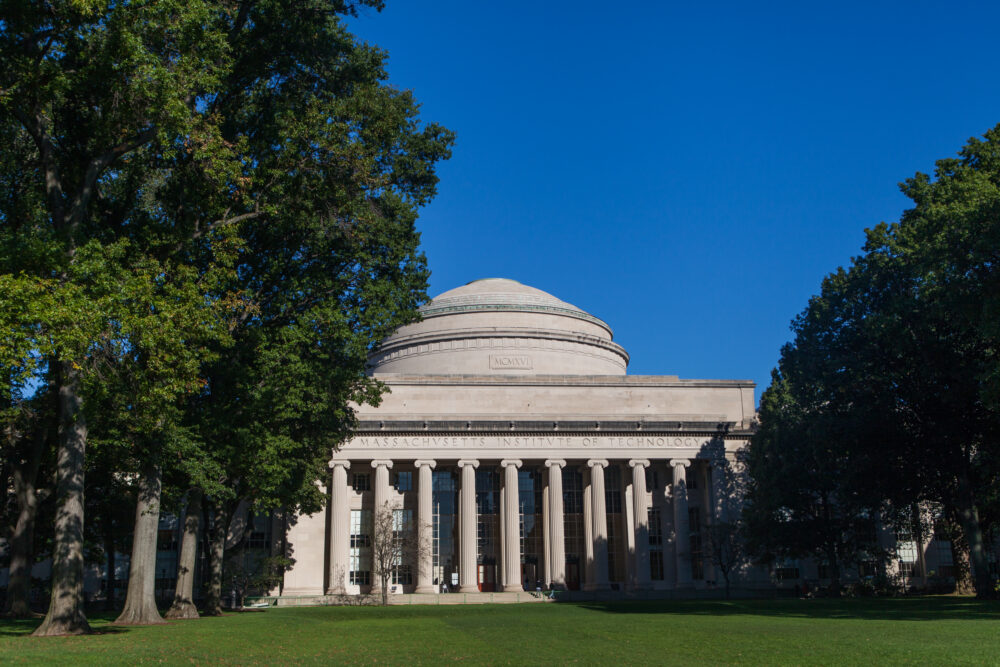
The MIT Energy Initiative recognizes that solutions for today’s energy challenges are going to emerge not only from the research laboratories and classrooms but also from practice-based management innovations that focus on minimizing the energy footprint of energy-intensive institutions such as MIT.
Acting on that recognition, the Energy Initiative has established an innovative campus energy program that opens MIT’s campus as a learning laboratory to develop and showcase leading approaches for significantly reducing energy use and greenhouse gas emissions. This program offers a unique platform to engage the entire campus community to identify, develop and implement hands-on sustainable energy practices that leverage the expertise of our students, staff and faculty.
A Campus Energy Task Force has been established to develop an integrated strategy and program of action that enables MIT to “walk the talk” on energy and the environment. By drawing on faculty, staff and students, the task force is well positioned to engage leading MIT energy experts, draw on the newest technologies and approaches developed in their research, and build on the grounded expertise of MIT’s administrative and operational resources.
Co-chairs of the task force are Leon R. Glicksman, professor of architecture and mechanical engineering and director of MIT’s Building Technology Program, and Theresa M. Stone, MIT’s executive vice president and treasurer. Taking full advantage of the rich educational opportunities offered by campus-based projects, the Campus Energy Task Force will collaborate closely with MITEI’s Education Task Force, which coordinates MIT-wide educational initiatives relating to energy.
More resources
Visit the following websites to learn about:
- Becoming a new Green Ambassador
- Tips and Tools to “green” your place at MIT
- The task force and its working groups
- Student energy activities
- On-campus energy projects
- Information Technology (IT) Energy@MIT Initiative
Ways to get involved
For students:
- MITEI Student Campus Energy Project Grants
- Student Groups
- Sustainability@MIT
- MIT Generator
- Campus Sustainability UROPs
- Become a new Green Ambassador
For faculty and staff:
- Become a new Green Ambassador
MIT campus energy projects, contact:
Steven Lanou, Deputy Director, Environmental Programs Office, 617.452.2907, slanou@mit.edu
Peter Cooper, Manager of Sustainable Engineering and Utility Planning, Department of Facilities, 617.258.8317, plcooper@mit.edu
Advanced technology research and applications, contact:
Professor Leon Glicksman, Building Technology Program, (617) 253-2233, glicks@mit.edu
Check back to this website for updates on the campus energy program and opportunities to get involved.